


If you’ve been on our site before you don’t need us to explain to you how dangerous asbestos really is and the risk that you face when it’s around you. If you’ve never seen our blog before and you’re new here feel free to browse our resources and learn as much as you can so that you’re as protected as you can be.
Can you detect asbestos by how it smells?
So, does asbestos have a smell? No, the answer is no asbestos doesn’t have an odour which means that you’re not going to be able to ‘sniff out’ asbestos in your property. The only caveat to this is that you may be able to smell the products that contain asbestos. However, you can never be sure what kind of materials from before 1999 contain asbestos which is why we always recommend that if you’re unsure, get your materials tested before potentially damaging those materials.
The term asbestos refers to certain toxic materials that were widely used and heavily relied on for their beneficial characteristics in the construction industry. Asbestos material is fire resistant which made it very desirable when, theoretically at the time, trying to create safe building materials. It was also a very cheap material which means that using it meant that you could save a good amount of money. If you’d like to find out more about why people used asbestos have a read of our blogs.
In any case, leaning on asbestos for its benefits made sense at the time. It was only after a number of years that the biggest drawback started to rear its head… It’s deadly.
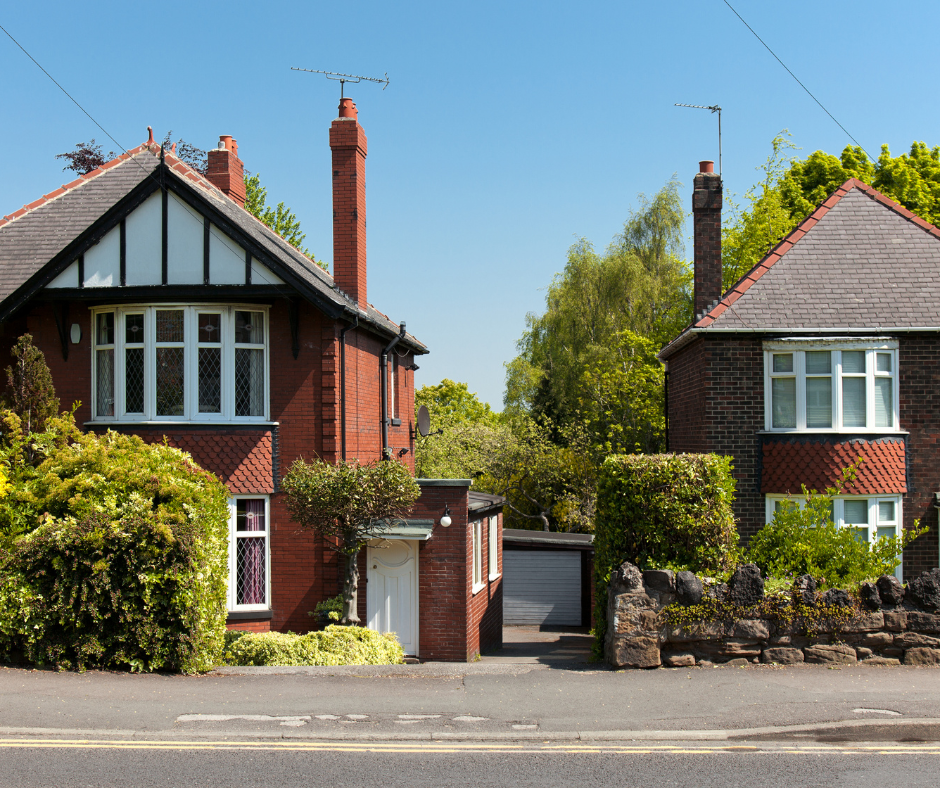
So how do you tell if there is asbestos around?
Asbestos was so widely used that it can be tricky to tell whether or not a material could have asbestos within it just by looking at it. That’s why we recommend that you make sure you have an asbestos test if you think you could be at risk.
Have a look at our guide to where asbestos can be found in the home for a more in-depth look at where it could be. We’ll add a few of the key ways to tell if it might be there below too!
1. Materials before 1999
If you know that there are still certain materials installed or used between 1930 and 1980 in your property, there is a good chance that you have asbestos. Now that’s not to scare you, that is just to outline that between those dates asbestos was used a lot in certain items and materials like artex and vinyl flooring.
So first things first, if you think you have these common materials in your house that fit within those dates give us a call and we’ll be happy to test for asbestos for you.
2. If you have moved into a house built during the use of asbestos
We have a whole article that focuses on where you can find asbestos in the home and if your house was built during the aforementioned time frame it might be worth investigating. There could be elements of your property that still contain asbestos. For example, artex was a very popular decoration back then and a lot of the time artex does contain asbestos. So, if you’d like to have a further look at that and read about the connection between artex and asbestos and why it’s usually worth testing.
Smelling asbestos and the risk
While asbestos doesn’t have a smell some might be tempted to quite literally try and sniff it out or smell a material that contains asbestos. This is a very dangerous thing to do and we would urge you not to do it.
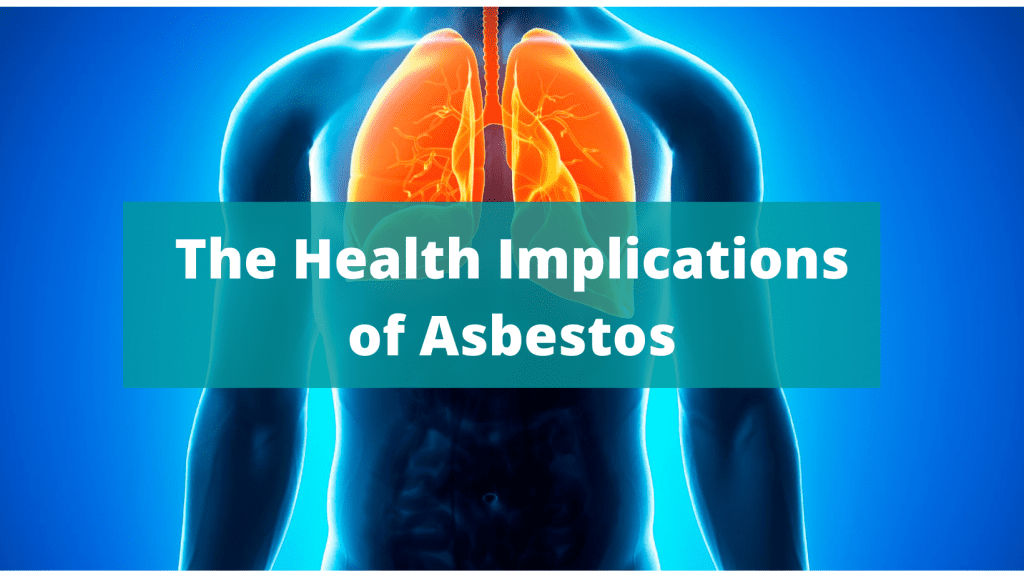
Materials that contain asbestos can get damaged or break down over time which means that the asbestos within them can become exposed to open air. This can allow for asbestos to disperse into the air that you might be breathing in and because asbestos fibres are practically weightless and can’t be seen without a microscope they’ll be able to stay afloat undetected for days.
So if you start to smell broken or disturbed asbestos you might be inhaling more and more fibres each time.
After inhaling these asbestos fibres your body will try to get those toxins out of your body using mucus but unfortunately, some of them will pass into your lungs and get stuck in there.
With that in mind in you’d like some free advice give us a call on 01623 272 611 and we’ll try and help you plan for a test or asbestos removal.
Need some advice about Asbestos waste?
Call us on 01623 272 611 and we'll be happy to help
