
If you’re arranging an asbestos survey, chances are you’ve been advised to do so as part of a legal requirement or building project, or perhaps you’re simply being cautious about the safety of your property. Whatever the reason, knowing what to expect can help take the stress out of the process and ensure you’re well prepared.

Why You Might Need an Asbestos Survey
Asbestos was widely used in UK buildings right up until the late 1990s. Although it’s now banned, it’s still present in millions of properties, especially those built before the year 2000. When materials containing asbestos are left undisturbed, they’re usually safe. But if they’re damaged or disturbed during building work, they can release harmful fibres into the air.
Legally, if you manage or own a non-domestic building, you’ve got a duty to manage asbestos under the Control of Asbestos Regulations 2012. And if you’re planning any renovations, demolitions, or even buying or selling a home, an asbestos survey may be needed to assess the risks and avoid delays or costs down the line.
Types of Asbestos Surveys Explained
There isn’t a one-size-fits-all approach. The type of survey you need depends on what you’re planning to do with the property.
Management Survey
A management survey is the most common type of survey. It is designed to identify any asbestos-containing materials (ACMs) that could be disturbed during normal daily activities or maintenance. The survey results will help you to create a solid management plan, supported by an asbestos register and ongoing asbestos management surveys.
Refurbishment and Demolition Survey
Planning major building work or demolition? If so, a demolition and refurbishment survey is essential. This type of survey is a bit more invasive and is required before any serious work begins. It aims to find all asbestos-containing materials that could be disturbed during the project.
Homebuyer Asbestos Survey
If you’re purchasing a home, a homebuyer asbestos survey is a good way to get peace of mind. This survey checks for any asbestos-related issues that could cause problems later on, all before completing the sale.
Asbestos Reinspection Survey
A re-inspection survey is carried out to check the condition of asbestos-containing materials that have already been identified. It helps confirm whether the materials are still in a safe condition and whether any further action is needed.
Before the Survey: What You Need to Know
Once you’ve booked in a survey, your surveyor will usually ask for some basic details about the property, such as its age, any building plans, and whether any previous surveys have been done. You may also need to arrange access to certain areas like lofts, basements or locked storage spaces.
If you’re a business or managing a commercial property, it’s worth notifying your staff or tenants ahead of time, especially if the survey will take place during working hours.
During the Survey: Step-by-Step Process
Here’s what you can expect when the survey is carried out:
1. Visual Inspection
The surveyor will carry out a detailed visual inspection of the property, looking for signs of asbestos-containing materials or anything that looks suspicious.
2. Sample Collection
Small samples are taken from any materials that look suspicious. This might include textured coatings, pipe lagging, insulation boards, floor tiles and more. Don’t worry – surveyors are trained to do this safely and with minimal disruption.
3. Use of PPE
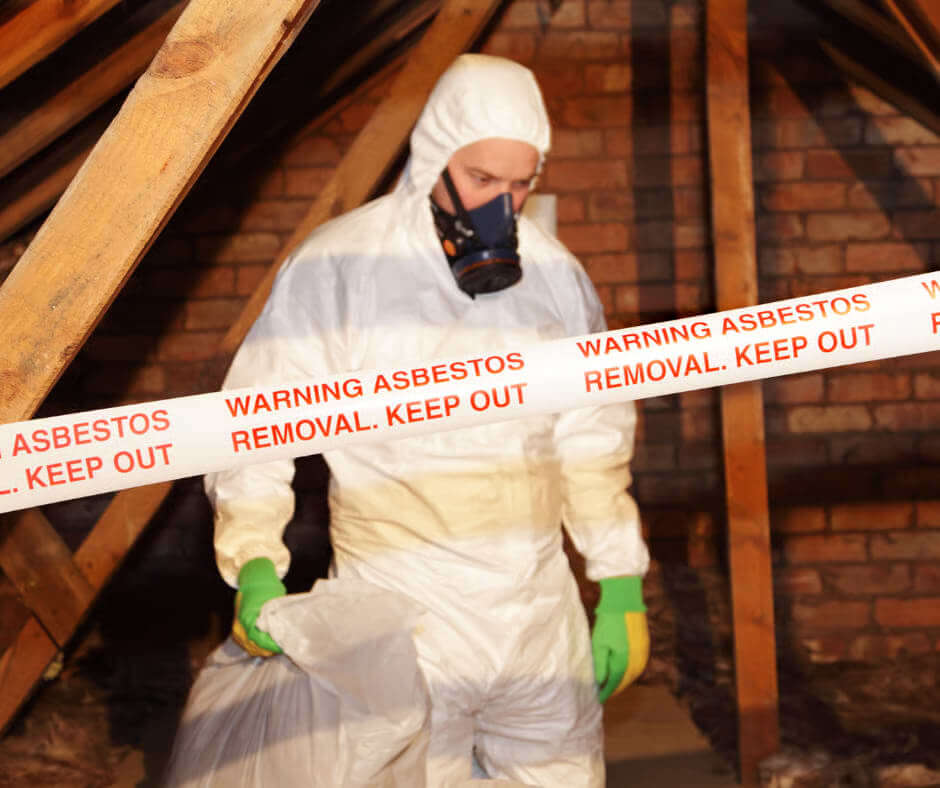
Your surveyor will wear personal protective equipment (PPE) to ensure their safety and to prevent any potential contamination.
4. Duration
A standard survey usually takes a few hours, depending on the size and layout of the property. Refurbishment or demolition surveys may take longer due to their more invasive nature.
After the Survey: What Happens Next
Once the physical survey is done, any samples are sent off to a UKAS-accredited lab for testing. This ensures that the results are accurate and recognised as meeting national standards.
You’ll then receive a detailed asbestos report. This will outline:
- Whether any asbestos was found
- The type and condition of the materials
- The level of risk involved
- Recommended next steps (e.g. management, repair or removal)

What to Do If Asbestos is Found
Finding asbestos doesn’t always mean you need to remove it straight away. If it’s in good condition and unlikely to be disturbed, it can often be safely managed and monitored.
However, if it’s damaged or likely to be affected by future works, your report may recommend asbestos removal. In either case, a proper management plan will help you stay compliant with regulations and keep everyone safe.
Common Questions About Asbestos Surveys
Will an asbestos survey damage my property?
Only small, targeted samples are taken – nothing that would cause major damage. Any holes made are typically sealed on the spot.
How much do asbestos surveys cost?
Costs vary depending on the type of survey and the size of the property. As a rough guide, residential surveys start from around £200, while commercial surveys may cost more.
Can I be present during the asbestos survey?
Yes, you can – but it’s best to give the surveyor space to work. They’ll let you know if certain areas need to be cleared or vacated for safety reasons.
Final Thoughts
An asbestos survey might seem daunting at first, but it’s a straightforward and essential step in keeping your property safe and compliant. Whether you’re managing a commercial building or buying your first home, understanding the process helps you make informed decisions and avoid costly surprises later on.
If you’re not sure which type of survey you need or if you’re unclear about your legal responsibilities, it’s always best to speak to a qualified professional. The team at Smart Asbestos can help guide you through it all. Call us today at 01623 272 611 to book an asbestos survey or get more information. We cover the East Midlands, including Nottingham, Derby, Newark, Chesterfield, and Mansfield.